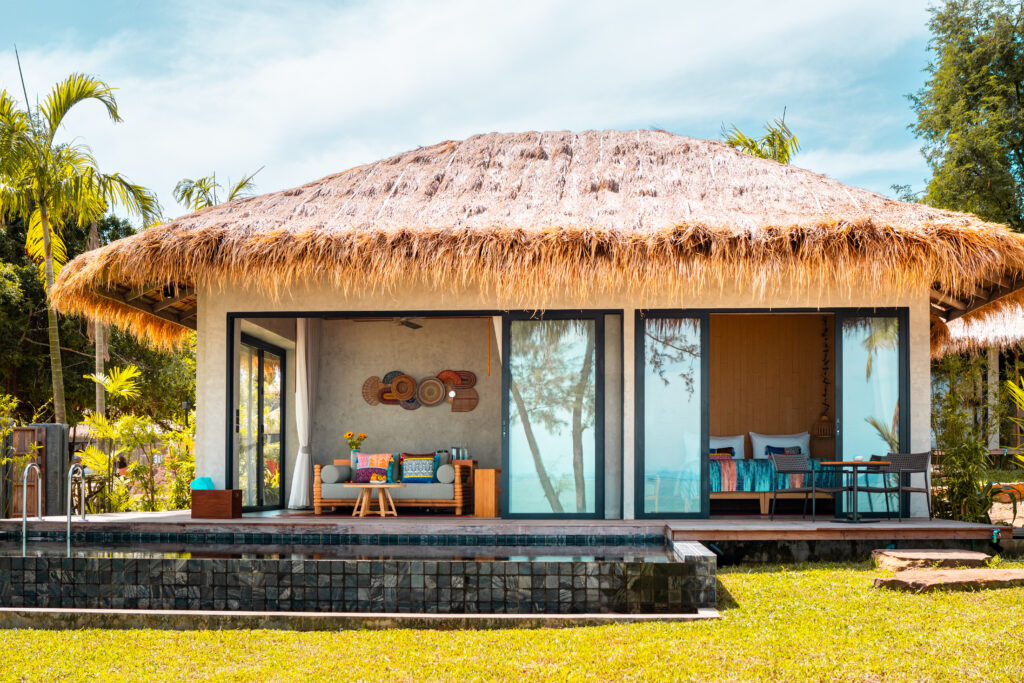

Smaller hotels do not usually win through scale. They win when they make the property feel distinctive, easy to trust, and easy to book for the right guest type.
That means boutique-hotel marketing should not copy large-resort playbooks. It should focus on what makes the stay specific, what channels support that story best, and how the website helps turn attention into action.
1. Strengthen direct-booking trust first
A boutique hotel often loses direct business because guests trust the OTA path more than the hotel's own site. The website needs cleaner room pages, better value explanation, and a booking flow that feels dependable.
Before adding more campaign spend, hotels should make sure the core booking path already supports conversion.
2. Build storytelling around what makes the stay different
Boutique properties are strongest when the brand feels clear and believable. That could be design-led escape, private atmosphere, neighborhood immersion, wellness, or food-led positioning.
The story should appear consistently across website copy, social channels, photography, and destination content so guests do not have to guess why the hotel is different.
3. Use data to focus campaigns more precisely
Campaign activity becomes much more effective when the hotel knows which audiences respond best, which pages support conversion, and which source markets produce healthier demand.
That allows the team to retarget the right visitors, refine offers, and spend more carefully instead of pushing the same generic messaging to every audience.
- Review audience response by source market and campaign.
- Use content that matches the boutique story rather than generic destination shots alone.
- Support campaigns with landing pages built around one clear booking message.
What hotel teams should do next
- Protect direct-booking trust before increasing campaign activity.
- Make the boutique point of difference easier to understand and repeat.
- Use campaign data to focus spend and messaging more precisely.